
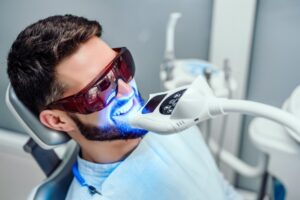
Teeth whitening is a popular way to brighten your smile and boost your confidence. While the results can be dramatic, some people experience temporary tooth sensitivity after whitening treatments. The good news is that sensitivity doesn’t have to take away from your results. With the right care, you can minimize discomfort and enjoy your brighter smile. Here are 4 helpful tips to avoid sensitivity after teeth whitening.
1. Use a Desensitizing Toothpaste
One of the easiest ways to reduce post-whitening sensitivity is to switch to a desensitizing toothpaste. These toothpastes contain ingredients like potassium nitrate or stannous fluoride, which help block pain signals from reaching the nerves in your teeth. Start using a desensitizing toothpaste a week or two before whitening and continue for several days afterward for best results. Avoid whitening toothpastes during this time, as they can be abrasive and worsen sensitivity.
2. Avoid Extreme Temperatures and Acidic Foods
After whitening, your teeth may be more sensitive to hot, cold, and acidic foods and drinks. To protect your enamel, avoid very hot coffee, ice-cold beverages, citrus fruits, soda, and wine for at least 24 to 48 hours. Stick to lukewarm water and soft, neutral foods like yogurt, eggs, and oatmeal. This gives your teeth time to rehydrate and reduces irritation to exposed nerve endings.
3. Follow Whitening Instructions Carefully
Overusing whitening products or leaving them on longer than recommended can increase sensitivity. Whether you’re using professional take-home trays or an in-office treatment, follow your dentist’s instructions closely. More whitening gel does not mean better results; it often leads to unnecessary discomfort. If sensitivity becomes noticeable, take a short break between whitening sessions and talk to your dentist about adjusting your treatment plan.
4. Protect and Strengthen Your Enamel
Keeping your enamel strong is key to preventing sensitivity. Avoid brushing aggressively after whitening and use a soft-bristled toothbrush. Wait at least 30 minutes before brushing, especially if you’ve consumed acidic foods or drinks. Your dentist may also recommend fluoride treatments or gels to help remineralize enamel and reduce sensitivity. Drinking plenty of water can further support enamel health by washing away acids and bacteria.
When Sensitivity Is Normal and When It’s Not
Mild sensitivity after teeth whitening is common and usually temporary, lasting a day or two. However, if sensitivity is severe or persists for several days, contact your dentist. Ongoing discomfort could indicate enamel damage, gum irritation, or an underlying dental issue that needs attention.
Teeth whitening can be a safe and effective way to enhance your smile when done properly. By using desensitizing products, avoiding triggers, following instructions, and protecting your enamel, you can minimize sensitivity and enjoy your whiter smile with comfort and confidence.
About the Author
Dr. Erik Holz is a graduate of the University of Florida College of Dentistry. Following dental school, he spent two years completing an Advanced Education in General Dentistry Residency through his alma mater’s program in St. Petersburg. Today, Dr. Holz stays current in his field through memberships in the American Dental Association, the Florida Dental Association, and the Academy of General Dentistry. If you’d like a glow-up for your teeth, we have you covered with professional teeth whitening. Schedule an appointment with us online or call our Ocoee office at (407) 654-0070.